

Technology for Seniors: Gadgets and Apps That Make Everyday Life Easier, Safer, and More Connected
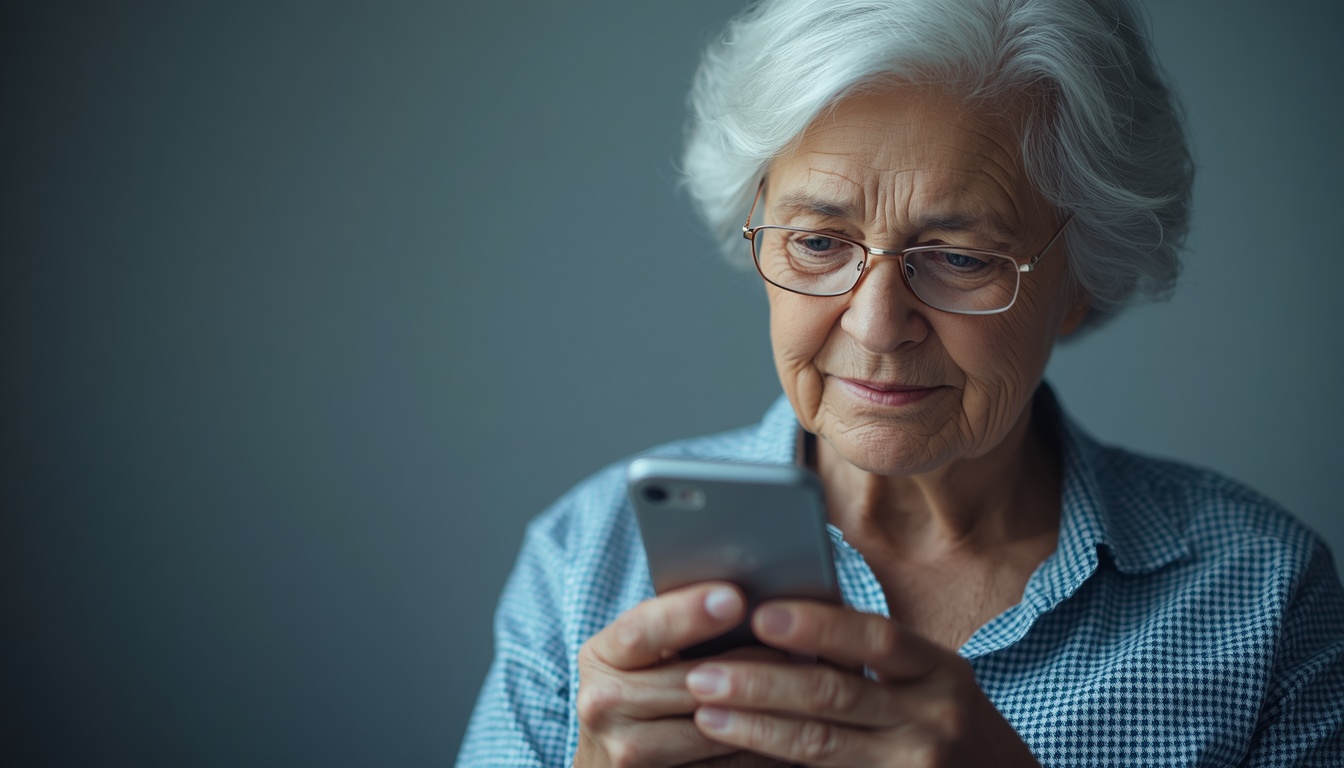
Technology is no longer designed exclusively for younger generations. Today, an increasing number of devices and applications are created specifically to help older adults live more independently, stay connected with family, monitor their health, and remain safe at home and while traveling. User-friendly interfaces, voice assistants, health monitoring tools, and emergency communication systems are making technology more accessible than ever.
For many seniors, adopting new technology may initially seem intimidating. However, modern gadgets are becoming simpler to use, with larger displays, intuitive controls, voice commands, and automatic features that require minimal technical knowledge. Rather than replacing human care and social interaction, these tools complement them by providing additional convenience, confidence, and peace of mind.
Smartphones Designed for Simplicity
A smartphone can become one of the most valuable everyday tools for older adults when configured appropriately.
Many devices now include:
- Large icons.
- Adjustable text size.
- Voice dialing.
- Emergency calling features.
- Hearing aid compatibility.
- Simplified home screens.
With just a few taps, seniors can contact family members, access navigation, read news, check the weather, schedule appointments, and receive medication reminders.
Voice assistants further simplify operation by allowing users to make calls, send messages, or search for information without typing.
Smartwatches for Health and Safety
Wearable technology has evolved far beyond fitness tracking.
Modern smartwatches can monitor:
- Heart rate.
- Daily activity.
- Walking distance.
- Sleep patterns.
- Blood oxygen levels on supported devices.
- Fall detection on certain models.
- Emergency SOS functions.
Some watches can automatically notify emergency contacts if a significant fall is detected and the user does not respond within a specified period.
While these devices do not replace professional medical care, they can provide valuable information for both users and healthcare providers.
Medication Reminder Applications
Managing multiple medications can become increasingly challenging over time.
Medication reminder apps help users by:
- Sending alerts at scheduled times.
- Tracking completed doses.
- Recording medication schedules.
- Reminding users about prescription refills.
- Sharing adherence information with caregivers in some cases.
These tools reduce the likelihood of missed or duplicated doses and help establish consistent routines.
Combining digital reminders with clearly organized pill organizers often provides even greater reliability.
Video Calling Keeps Families Connected
Staying socially connected plays an important role in emotional well-being.
Video calling applications allow grandparents to speak with children, grandchildren, and friends regardless of distance.
Unlike traditional phone calls, video conversations provide facial expressions, gestures, and shared experiences that help maintain meaningful relationships.
Many modern communication platforms feature simple interfaces, large buttons, and one-touch calling options that are especially useful for beginners.
Regular virtual conversations can help reduce feelings of loneliness while strengthening family connections.
Smart Home Devices Improve Everyday Living
Smart home technology can simplify many daily tasks without requiring complicated setup.
Voice-controlled smart speakers allow users to:
- Set reminders.
- Ask questions.
- Listen to music.
- Hear the latest news.
- Check weather forecasts.
- Control compatible smart home devices.
- Create shopping lists.
- Set timers.
For individuals with limited mobility, voice control reduces the need to interact with multiple switches or touchscreens.
Simple spoken commands can make daily routines more convenient and enjoyable.
Smart Lighting Enhances Safety
Falls remain one of the leading causes of injury among older adults, especially during nighttime.
Smart lighting systems improve visibility by automatically turning lights on when movement is detected or according to scheduled routines.
Benefits include:
- Better nighttime navigation.
- Reduced need to search for light switches.
- Improved visibility on stairs and hallways.
- Lower risk of accidents.
Some systems also allow lights to be controlled remotely using smartphones or voice assistants.
GPS and Navigation Tools
Navigation applications are not only useful for drivers.
Older adults who enjoy walking, public transportation, or traveling can benefit from GPS tools that provide:
- Step-by-step directions.
- Public transport information.
- Real-time traffic updates.
- Location sharing with trusted family members when desired.
- Nearby pharmacy and healthcare locations.
Clear spoken directions help users remain confident when exploring unfamiliar places.
Health Monitoring Devices at Home
Many medical monitoring devices are now designed for convenient home use.
Examples include:
- Digital blood pressure monitors.
- Blood glucose monitors for people with diabetes.
- Smart body weight scales.
- Thermometers with digital displays.
- Pulse oximeters where appropriate.
Some devices automatically synchronize measurements with mobile applications, making it easier to track long-term health trends.
These records can also assist healthcare professionals during routine appointments.
Emergency Alert Systems
Personal emergency response systems provide additional reassurance for seniors living independently.
Many wearable emergency devices feature easily accessible buttons that connect users with emergency services or designated caregivers.
Some systems also include:
- Automatic fall detection.
- GPS location services.
- Two-way communication.
- Waterproof designs for bathroom use.
- Battery monitoring alerts.
These technologies help users maintain independence while knowing assistance can be requested quickly if necessary.
Brain Training and Cognitive Wellness Apps
Keeping the mind active is an important part of healthy aging.
Many educational and puzzle applications encourage users to practice skills involving:
- Memory.
- Attention.
- Problem-solving.
- Language.
- Logic.
- Mental flexibility.
Although no app can prevent every age-related cognitive change, engaging in mentally stimulating activities may contribute to maintaining cognitive function when combined with other healthy lifestyle habits.
Reading, learning new skills, and social engagement remain equally valuable.
Digital Security Matters
As more daily activities move online, digital safety becomes increasingly important.
Older adults should be encouraged to:
- Create strong, unique passwords.
- Enable two-factor authentication when available.
- Be cautious of unexpected emails or phone calls requesting personal information.
- Verify unfamiliar messages before responding.
- Keep devices updated with the latest security software.
Family members can play an important role by discussing common online scams and helping configure security settings.
Building digital confidence is just as important as learning new technology.
Choosing the Right Technology
The best device is not necessarily the newest or the most advanced.
When selecting technology for an older adult, consider:
- Ease of use.
- Large displays.
- Clear audio.
- Long battery life.
- Reliable customer support.
- Accessibility features.
- Compatibility with hearing aids or other assistive devices.
- Individual lifestyle and personal needs.
Introducing one device at a time often makes learning easier than introducing several new technologies simultaneously.
Patience, practice, and ongoing encouragement help build confidence.
Conclusion
Technology has become a powerful tool for supporting independence, safety, health, and social connection among older adults. From smartphones and smartwatches to medication reminders, emergency alert systems, health monitoring devices, and voice-controlled home assistants, today’s innovations are making everyday life more manageable and enjoyable.
The goal of these technologies is not to replace family, caregivers, or healthcare professionals, but to complement their support by simplifying daily routines and increasing confidence. By choosing user-friendly devices that match individual needs and providing gentle guidance during the learning process, seniors can embrace technology as a practical partner in maintaining an active, connected, and fulfilling lifestyle.