

Anti-Inflammatory Meal Prep for Busy Weeks: Easy Menus for Supporting a Healthy, Balanced Diet
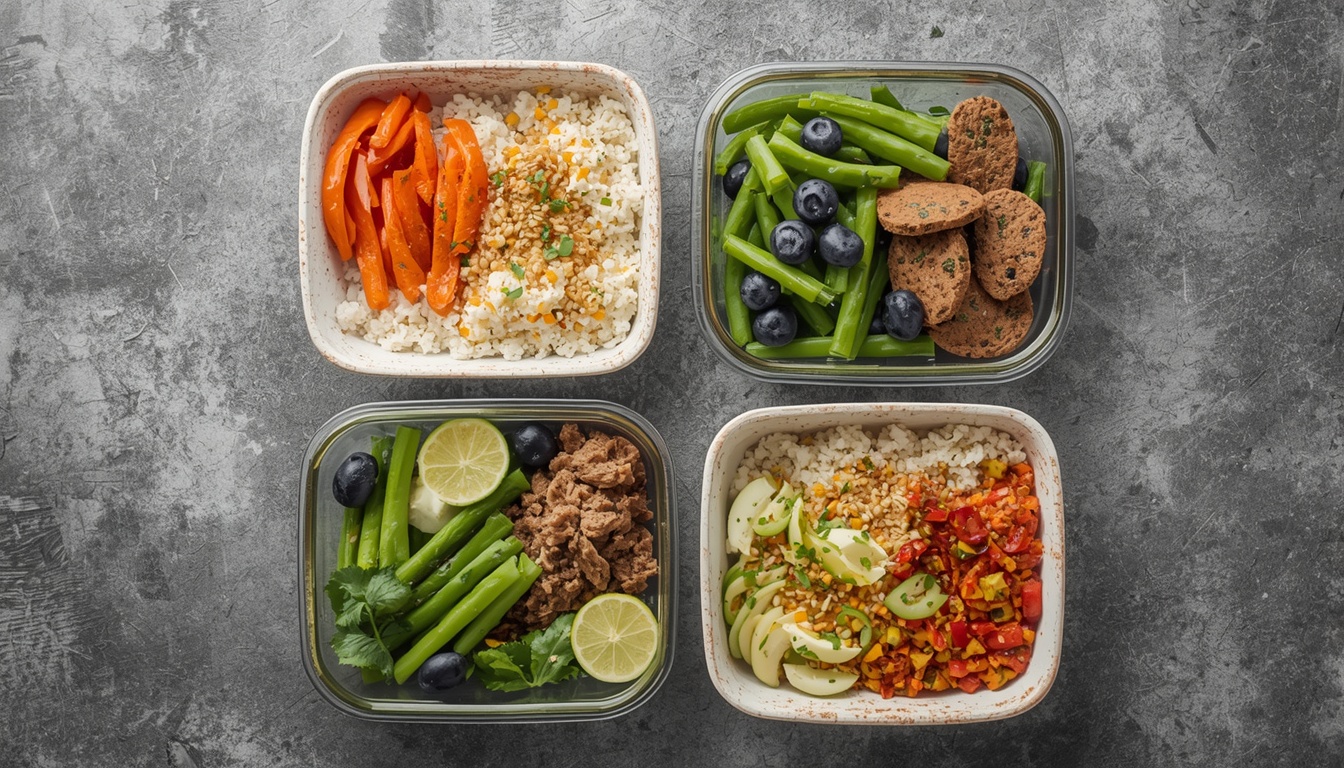
Busy weeks can make healthy eating surprisingly difficult. When work, family responsibilities, errands, and everyday commitments compete for attention, it is tempting to rely on takeout, packaged snacks, or whatever meal can be prepared in a few minutes. A little planning, however, can make it much easier to build meals around foods associated with a healthy inflammatory response.
An anti-inflammatory eating pattern is not a strict diet or a collection of miracle foods. Instead, it emphasizes a wide variety of vegetables, fruits, whole grains, legumes, nuts, seeds, fish, and other minimally processed foods while limiting excessive amounts of added sugar, highly refined carbohydrates, and heavily processed foods. This approach can provide fiber, vitamins, minerals, antioxidants, and healthy fats that contribute to overall health.
Meal preparation is particularly useful because it turns these principles into convenient meals that are ready when the week becomes hectic.
What Does “Anti-Inflammatory” Eating Mean?
Inflammation is a normal biological process that helps the body respond to injury and infection. It becomes more complicated when inflammatory activity remains elevated for prolonged periods. Diet is only one factor involved in this process, alongside sleep, physical activity, stress, genetics, medical conditions, and other aspects of lifestyle.
Rather than focusing on a single ingredient, an anti-inflammatory meal pattern looks at the overall quality of the diet. Colorful vegetables and fruits provide a broad range of plant compounds, while foods such as olive oil, nuts, seeds, and fatty fish provide unsaturated fats. Beans, lentils, and whole grains contribute fiber and important nutrients.
The goal is not to create a perfect menu. It is to make nutritious choices easier and more consistent.
A Simple Meal-Prep Strategy for the Week
Successful meal preparation does not require spending an entire Sunday cooking dozens of separate dishes. A more practical strategy is to prepare several basic components that can be combined in different ways.
Start with one or two whole grains, such as brown rice, quinoa, or oats. Prepare a batch of beans or lentils, or use convenient no-salt-added canned versions. Roast a large tray of vegetables and wash several portions of fresh produce.
A protein source can then be added according to preference. Salmon, sardines, chicken, tofu, lentils, beans, eggs, and plain Greek yogurt can all fit into a balanced eating pattern.
Preparing a simple dressing from extra-virgin olive oil, lemon juice, herbs, and spices can make several meals taste completely different without requiring a complicated sauce.
Monday: Mediterranean-Inspired Grain Bowl
A colorful grain bowl is an excellent way to begin the week because it can be prepared in advance and assembled quickly.
Combine cooked quinoa with roasted bell peppers, zucchini, cherry tomatoes, chickpeas, spinach, and a small portion of feta cheese. Add a dressing made from olive oil, lemon juice, garlic, oregano, and black pepper.
The combination provides plant-based protein, fiber, vegetables, and healthy fats. Fresh herbs can be added just before eating to brighten the flavor.
For a more substantial dinner, serve the bowl with grilled salmon or another preferred protein.
Tuesday: Salmon, Sweet Potato, and Greens
Roasted sweet potatoes are convenient for meal prep because they can be cooked in a large batch and stored for several meals.
Pair them with baked salmon and leafy greens such as spinach, kale, or arugula. Add lemon juice and a small amount of olive oil immediately before serving.
Salmon is particularly useful in this type of menu because it provides omega-3 fatty acids. These fats are associated with numerous aspects of cardiovascular and metabolic health and are an important part of a balanced diet.
If salmon is not practical, canned salmon or sardines can provide another convenient option.
Wednesday: Lentil and Vegetable Soup
A hearty soup can be one of the easiest meals to prepare ahead of time. It also tends to become more flavorful after sitting in the refrigerator for a day.
To make a simple lentil soup, sauté onion, carrots, and celery in olive oil. Add garlic, lentils, chopped tomatoes, low-sodium broth, and vegetables such as spinach or zucchini. Season with cumin, paprika, black pepper, and herbs.
Simmer until the lentils are tender and the vegetables are cooked through.
Lentils provide plant protein and fiber, making the soup filling without requiring large amounts of meat. Serve it with whole-grain bread for a complete meal.
Thursday: Chickpea and Avocado Wraps
For a lunch that requires almost no reheating, prepare chickpea wraps.
Mash chickpeas with avocado, lemon juice, black pepper, and chopped parsley. Add shredded carrots, cucumber, spinach, and tomatoes. Spread the mixture over a whole-grain tortilla and roll tightly.
The avocado provides a creamy texture while replacing heavier sauces. Chickpeas contribute protein and fiber, and the vegetables increase the variety of nutrients and textures.
Prepare the filling in advance but assemble the wraps shortly before eating if possible to keep the tortilla from becoming soggy.
Friday: Vegetable and Tofu Stir-Fry
A quick stir-fry is ideal for using whatever vegetables remain at the end of the week.
Heat a small amount of olive oil in a skillet and add tofu cubes, broccoli, mushrooms, bell peppers, and snow peas. Cook until the vegetables are tender but still slightly crisp.
For the sauce, combine low-sodium soy sauce with fresh ginger, garlic, lime juice, and a small amount of sesame oil. Serve over brown rice or quinoa.
This flexible recipe makes it easy to increase vegetable intake without following a rigid recipe. Different combinations of seasonal produce can be substituted from week to week.
Snacks That Fit the Same Eating Pattern
Meal preparation should also include snacks because hunger between meals often leads to less nutritious choices.
Plain Greek yogurt topped with berries, walnuts, and chia seeds makes a simple protein-rich option. An apple with natural peanut butter combines fruit with protein and healthy fats. Carrot and cucumber sticks with hummus provide a crunchy alternative to packaged snacks.
A small handful of unsalted nuts can also be convenient when there is no refrigerator available.
The purpose of these snacks is not to eliminate hunger completely but to provide convenient foods that fit comfortably into an overall balanced diet.
Ingredients Worth Keeping on Hand
A well-stocked kitchen makes healthy meal preparation much easier. Frozen berries and vegetables can be just as practical as fresh produce because they require little preparation and last considerably longer.
Canned chickpeas, beans, lentils, and fish can provide quick protein sources. Whole grains such as oats, brown rice, and quinoa can serve as foundations for several different meals.
Olive oil, nuts, seeds, garlic, ginger, herbs, and spices can transform basic ingredients without relying heavily on sugary sauces or highly processed dressings.
Preparing Food Safely
Meal preparation should always include proper food safety. Cooked foods should be refrigerated promptly rather than left at room temperature for extended periods. Store meals in clean, covered containers and follow appropriate refrigeration and reheating practices.
Preparing several days of food at once does not mean every meal must remain refrigerated indefinitely. Portions that will not be eaten within a reasonable refrigerated storage period can be frozen when appropriate.
Looking Beyond Individual Foods
No single food can reliably eliminate inflammation, and an anti-inflammatory eating pattern should not be treated as a replacement for medical treatment. Persistent pain, swelling, or other unexplained symptoms deserve appropriate evaluation by a healthcare professional.
The most useful approach is to think about the pattern as a whole. Regularly eating vegetables, fruits, legumes, whole grains, nuts, seeds, and sources of unsaturated fats can create a nutritious foundation while reducing reliance on heavily processed foods.
Meal prep makes that foundation easier to maintain. By cooking a few versatile ingredients in advance, a busy week can still include colorful vegetables, satisfying sources of protein, fiber-rich carbohydrates, and flavorful healthy fats.
The result is not a restrictive diet built around promises of instant relief. It is a practical way to make nourishing food more accessible, consistent, and enjoyable throughout the week.