

How to Teach a Child Planning and Organization: Using Daily Planners, Schedules, and Visual Checklists
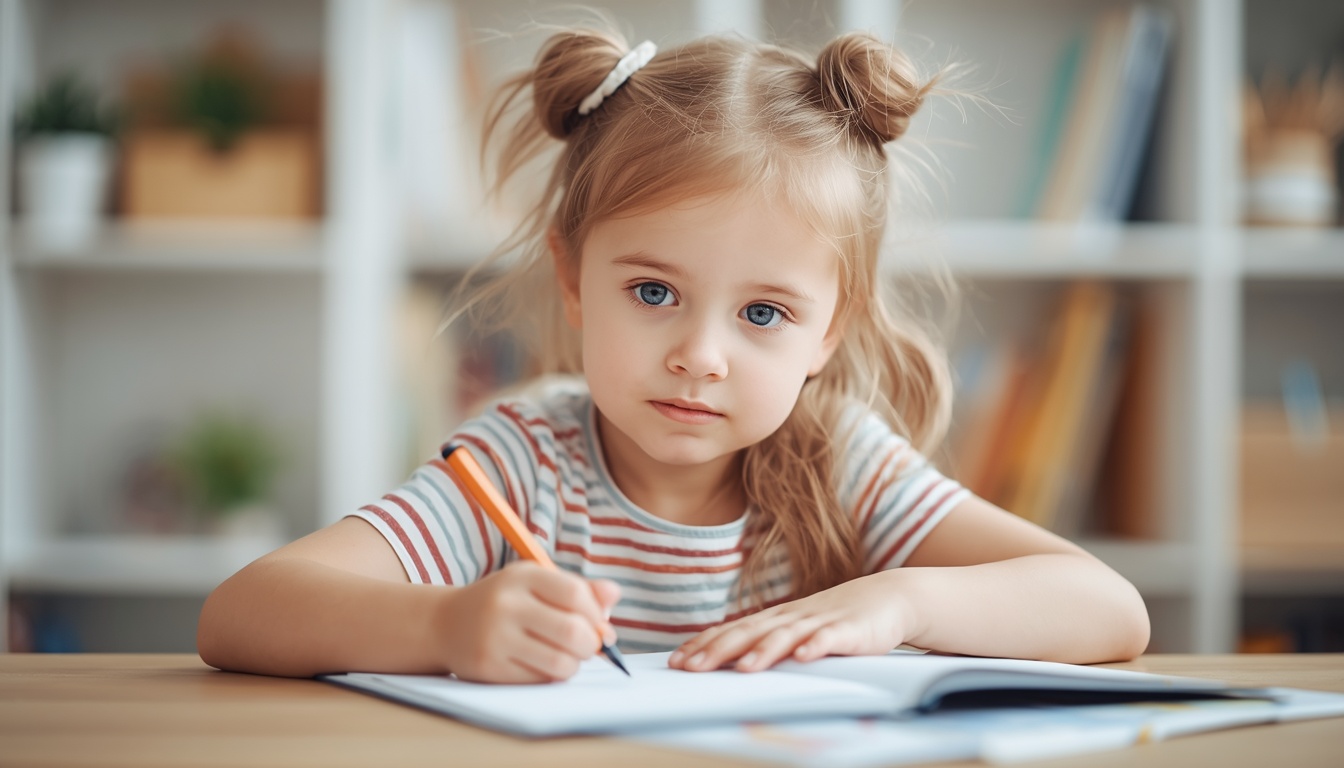
Many parents dream of seeing their children complete homework on time, remember important responsibilities, and manage their daily activities without constant reminders. However, organization and planning are not skills that children naturally develop overnight. Just like reading, writing, or riding a bicycle, these abilities must be taught gradually and practiced consistently.
In today’s fast-paced world, children are exposed to numerous activities, assignments, hobbies, and distractions. Learning how to organize tasks, manage time, and follow routines can help them become more independent, confident, and successful. One of the most effective ways to develop these skills is through practical tools such as daily planners, schedules, and visual checklists. These methods transform abstract concepts like time management into something children can see, understand, and apply in their everyday lives.
Why Planning Skills Matter for Children
Planning is much more than simply writing down tasks. It involves setting priorities, estimating the time needed for activities, remembering responsibilities, and following through on commitments. Children who develop planning skills early often experience less stress because they know what is expected of them and how to prepare for upcoming events.
Organization also contributes to stronger self-esteem. When children successfully manage their school assignments, extracurricular activities, and personal responsibilities, they gain confidence in their ability to solve problems and make decisions independently. These experiences create a foundation that benefits them throughout adolescence and adulthood.
Furthermore, planning skills support academic success. Students who learn how to organize projects, prepare for tests, and manage deadlines often perform better because they are less likely to forget assignments or leave important tasks until the last minute.
Introducing a Daily Planner
A daily planner is one of the simplest and most effective tools for teaching organization. For younger children, a planner does not need to be complicated. It can be a colorful notebook, a printed template, or even a whiteboard where daily activities are recorded.
The key is to make planning a regular habit. Each morning or evening, parents and children can spend a few minutes reviewing upcoming activities. Homework, sports practices, family events, reading time, and household responsibilities can all be included.
At first, parents may need to guide the process by asking questions such as, “What do you need to finish tomorrow?” or “Do you have anything special planned after school?” Over time, children begin to think ahead automatically and take greater ownership of their schedules.
A planner also teaches children how to break larger goals into smaller steps. Instead of viewing a school project as one overwhelming task, they learn to divide it into manageable actions that can be completed over several days.
Creating Effective Schedules
Schedules provide structure and predictability, both of which are particularly important for children. A clear schedule helps them understand what will happen throughout the day and reduces uncertainty that can lead to frustration or procrastination.
For younger children, visual schedules often work best. Pictures can represent daily activities such as waking up, eating breakfast, attending school, completing homework, playing outside, and going to bed. Seeing these activities arranged in sequence helps children understand the flow of the day.
Older children may benefit from more detailed schedules that include specific times. They can learn to allocate time for studying, hobbies, exercise, and relaxation. This approach encourages balanced routines and prevents one activity from consuming all available time.
Consistency is important when introducing schedules. While flexibility is sometimes necessary, maintaining predictable routines helps children internalize organizational habits and develop a stronger sense of responsibility.
The Power of Visual Checklists
Visual checklists are especially valuable because they provide immediate feedback and a sense of accomplishment. Children enjoy checking off completed tasks, and this simple action can increase motivation significantly.
Checklists can be used for a wide variety of purposes. Morning routines, bedtime routines, homework completion, packing school bags, cleaning bedrooms, and preparing for family trips are all examples of situations where checklists can be helpful.
For younger children, checklists may include pictures alongside words. A toothbrush icon, for example, can remind a child to brush their teeth. As children grow older, the visual elements can gradually be reduced, encouraging them to rely more on written instructions and personal responsibility.
Visual checklists also reduce the need for constant parental reminders. Instead of repeatedly telling a child what to do next, parents can direct attention to the checklist. This promotes independence and helps children learn to manage tasks on their own.
Encouraging Long-Term Organizational Habits
Teaching organization requires patience. Children will occasionally forget tasks, lose track of schedules, or become distracted. These moments should be viewed as learning opportunities rather than failures.
Positive reinforcement is often more effective than criticism. Praising effort, consistency, and improvement encourages children to continue developing their planning skills. Celebrating small successes can build momentum and strengthen motivation.
Parents can also model good organizational habits themselves. Children learn a great deal by observing adults. When they see parents using calendars, making lists, planning meals, or preparing for events in advance, they begin to understand the value of organization in everyday life.
Technology can support these efforts as well. Digital calendars, reminder apps, and family scheduling tools can complement traditional planners and checklists. However, physical tools often provide a more concrete learning experience, especially for younger children who are still developing abstract thinking skills.
Conclusion
Teaching a child planning and organization is an investment that delivers lifelong benefits. Through the use of daily planners, structured schedules, and visual checklists, children learn how to manage their responsibilities, organize their time, and approach challenges with greater confidence.
These tools transform complex concepts into practical habits that children can practice every day. With consistent guidance, encouragement, and opportunities to develop independence, children gradually become more organized, responsible, and capable of navigating the demands of school, family life, and future responsibilities. The goal is not perfection but progress—a steady development of skills that will support success and well-being throughout life.