

Children’s Mental Health: Signs of Burnout in School Students and How to Help
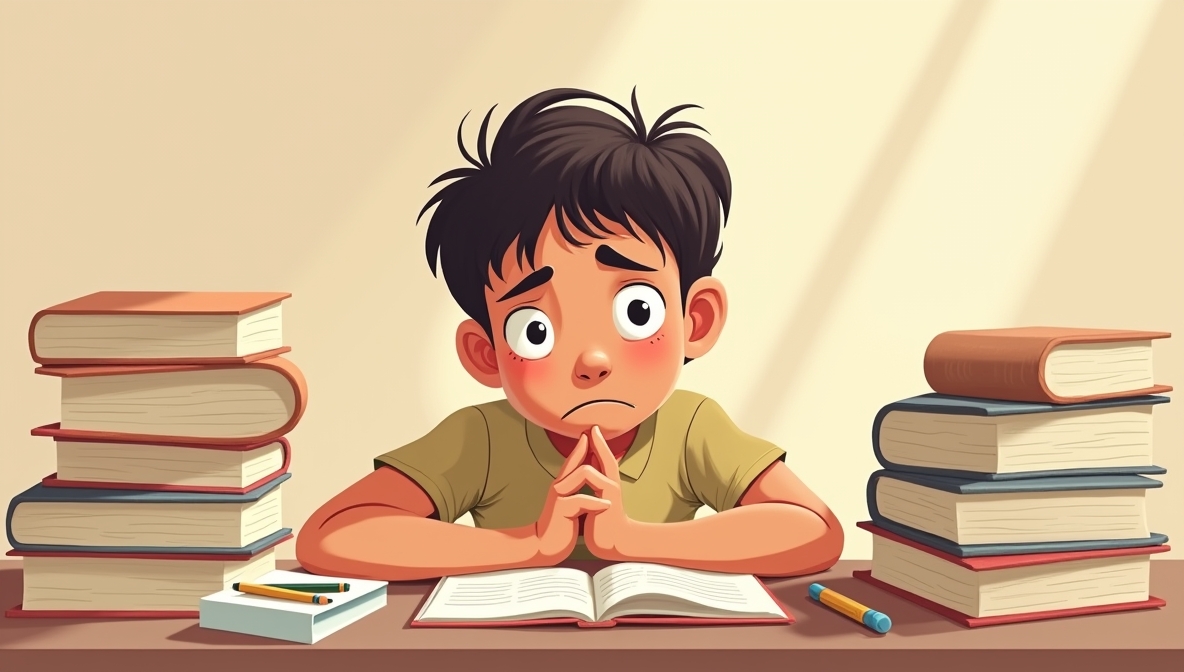
Childhood is often imagined as a carefree period filled with curiosity, learning, and emotional growth. However, for many children today, school life has become a significant source of stress and emotional exhaustion. Academic expectations, social pressure, extracurricular overload, and constant digital stimulation can gradually push children toward burnout long before adulthood begins.
Burnout in school students is not simply about being tired after a busy week. It is a state of emotional, mental, and physical exhaustion caused by prolonged stress and pressure. While burnout is commonly discussed in adults, children are increasingly experiencing similar symptoms, often without the vocabulary or emotional maturity to explain what they are going through.
Recognizing the early signs and responding with understanding is essential for protecting a child’s mental well-being and long-term development.
What Burnout Looks Like in Children
Burnout in children does not always appear in obvious ways. Some students become withdrawn and quiet, while others display irritability or emotional outbursts. A child who was once enthusiastic about school may suddenly lose motivation, avoid homework, or express feelings of hopelessness about academic performance.
Physical symptoms are also common. Frequent headaches, stomachaches, sleep disturbances, and chronic fatigue can all be signs that stress levels have become overwhelming. In some cases, children may complain of illness regularly, especially before school days or exams.
Changes in behavior often provide important clues. A child experiencing burnout may become more sensitive to criticism, frustrated by small tasks, or emotionally distant from family and friends. Loss of interest in hobbies and activities they once enjoyed can also indicate emotional exhaustion.
Academic performance may decline as concentration becomes more difficult. Ironically, many burned-out students are highly responsible and perfectionistic children who place enormous pressure on themselves to succeed.
Why School Burnout Is Becoming More Common
Several factors contribute to the growing prevalence of burnout among students. Academic competition has intensified in many educational systems, leading children to feel that constant achievement is necessary for future success. Heavy homework loads, test anxiety, and pressure to maintain high grades can create chronic stress.
At the same time, extracurricular activities often fill the hours outside school. While sports, music, and clubs can be beneficial, overscheduling leaves little time for rest and free play. Children may begin to feel that every moment of their day must be productive.
Social media and digital communication also influence mental health. Constant comparison with peers, fear of exclusion, and exposure to unrealistic standards can increase anxiety and reduce self-esteem. Unlike previous generations, many children now experience social pressure both at school and online, with little opportunity for emotional recovery.
The Emotional Impact of Constant Stress
When stress becomes continuous, children may begin to associate learning with fear and pressure instead of curiosity and growth. This emotional shift can affect confidence, motivation, and overall psychological development.
Some children internalize their struggles and become overly self-critical. Others may develop anger, frustration, or emotional numbness as coping mechanisms. Without support, prolonged burnout can contribute to anxiety disorders, depression, or long-term difficulties with self-worth.
The emotional consequences can also affect relationships within the family. Parents may interpret changes in behavior as laziness or defiance rather than signs of emotional exhaustion, which can increase conflict and deepen the child’s sense of isolation.
How Parents and Caregivers Can Help
One of the most important forms of support is creating a safe environment where children feel comfortable expressing emotions without fear of judgment. Listening calmly and attentively helps children feel understood and emotionally secure.
Reducing pressure is equally important. Encouraging effort rather than perfection allows children to develop healthier attitudes toward achievement. It is essential to remind them that their value is not defined solely by grades or performance.
Healthy routines can also make a significant difference. Consistent sleep schedules, balanced nutrition, physical activity, and time spent outdoors help regulate stress and improve emotional resilience. Unstructured free time is particularly important, as children need opportunities to relax and simply enjoy being children.
Limiting excessive screen time and encouraging offline activities can help reduce mental overstimulation. Family interactions, creative hobbies, and quiet moments of rest all contribute to emotional recovery.
The Role of Schools in Preventing Burnout
Educational environments play a major role in children’s mental health. Schools that prioritize emotional well-being alongside academic achievement create healthier learning experiences for students.
Teachers and school staff can help by recognizing signs of stress early and maintaining open communication with families. Balanced workloads, supportive classroom environments, and realistic expectations reduce unnecessary pressure.
Mental health education is also becoming increasingly important. Teaching children how to identify emotions, manage stress, and seek support equips them with valuable coping skills that extend beyond school life.
When Professional Support Is Needed
While many children recover with emotional support and lifestyle adjustments, some may require professional help. Persistent sadness, severe anxiety, panic attacks, self-isolation, or dramatic behavioral changes should not be ignored.
Psychologists, counselors, and pediatric mental health specialists can help children process emotions and develop healthier coping strategies. Seeking support is not a sign of failure but an important step toward recovery and long-term well-being.
Protecting Childhood in a High-Pressure World
Children need opportunities to rest, play, explore, and develop at their own pace. When life becomes dominated by pressure and performance, emotional exhaustion can quietly replace curiosity and joy.
Understanding school burnout is essential in today’s fast-moving world. By recognizing the warning signs early and responding with empathy, adults can help children regain balance, confidence, and emotional security.
Supporting mental health in childhood is not only about preventing problems—it is about creating an environment where children feel safe enough to grow, learn, and thrive without losing themselves in the process.