

Skin Health After 60: Care, Sun Protection, and Relief from Dryness and Irritation
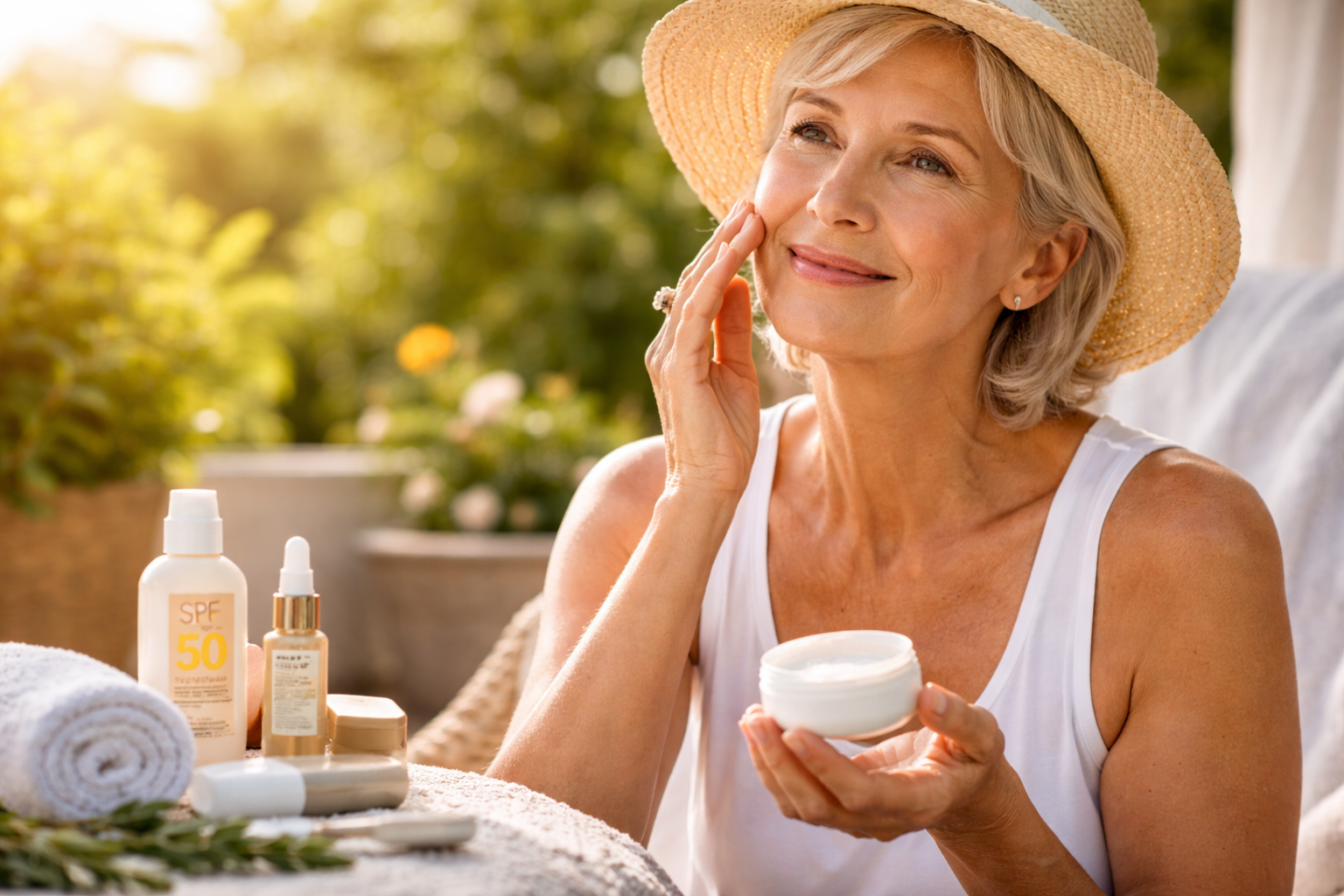
Aging is a natural and beautiful part of life, yet it brings visible and structural changes to the skin. After the age of 60, the skin undergoes significant transformations that require thoughtful care and adaptation. Thinning of the epidermis, reduced collagen production, slower cell turnover, and decreased natural oil production all contribute to dryness, sensitivity, and increased vulnerability to environmental damage. Understanding these changes is the first step toward maintaining healthy, comfortable, and resilient skin in later years.
One of the most noticeable changes after 60 is increased dryness. As sebaceous glands become less active, the skin produces fewer natural oils. This leads to a weakened protective barrier, allowing moisture to escape more easily. Dry skin may feel tight, rough, or itchy, and in some cases can develop flaking or cracking. To address this, daily moisturizing becomes essential rather than optional. Cream-based moisturizers with nourishing ingredients help reinforce the skin barrier and restore hydration. Applying moisturizer immediately after bathing, when the skin is slightly damp, helps lock in moisture more effectively.
Gentle cleansing is equally important. Harsh soaps and foaming cleansers can strip away limited natural oils, worsening dryness and irritation. Mild, fragrance-free cleansers that preserve the skin’s natural balance are better suited for mature skin. Water temperature also matters; very hot water can exacerbate dryness and sensitivity. Lukewarm water helps maintain comfort while minimizing barrier disruption.
Sun protection remains critical after 60, even if sun exposure occurred decades earlier. Cumulative ultraviolet damage contributes to wrinkles, pigmentation changes, and increased risk of skin cancer. Mature skin is often thinner and more fragile, making it more susceptible to harm. Daily use of broad-spectrum sunscreen helps prevent further damage. Protective clothing, wide-brimmed hats, and seeking shade during peak sunlight hours provide additional layers of defense. Consistent protection supports both cosmetic appearance and long-term health.
Another common concern after 60 is increased sensitivity and irritation. Skin may react more easily to new products, environmental changes, or temperature fluctuations. Simplifying skincare routines can reduce the risk of irritation. Introducing new products gradually allows the skin time to adjust. Ingredients known for soothing properties can help calm redness and discomfort. Avoiding products with strong fragrances or high alcohol content reduces the likelihood of adverse reactions.
Maintaining hydration from within also plays a supportive role. Adequate fluid intake supports overall skin function, while a balanced diet rich in vitamins, antioxidants, and healthy fats contributes to elasticity and resilience. Although nutrition alone cannot reverse aging, it strengthens the skin’s ability to repair and protect itself.
Regular skin examinations become increasingly important with age. Monitoring changes in moles, spots, or persistent lesions helps ensure early detection of potential problems. Consulting a healthcare professional when unusual changes appear provides reassurance and timely intervention if necessary. Preventive care is a key component of healthy aging.
Physical touch and gentle massage during moisturizing can improve circulation and enhance product absorption. This simple practice not only benefits the skin but also promotes relaxation and overall well-being. Caring for mature skin should feel nurturing rather than complicated.
Emotional well-being also influences skin health. Stress can exacerbate dryness and sensitivity, while restful sleep supports cellular repair. Creating calming daily rituals around skincare can transform routine maintenance into a moment of self-care and appreciation.
Skin health after 60 is not about reversing time but about supporting the skin’s evolving needs. With consistent hydration, gentle cleansing, diligent sun protection, and attentive monitoring, mature skin can remain comfortable, protected, and radiant. Aging skin tells a story of experience and resilience, and with mindful care, it can continue to reflect vitality and confidence for years to come.