

Pelvic Floor Health for Women: Strength, Prevention, and Knowing When to Seek Support
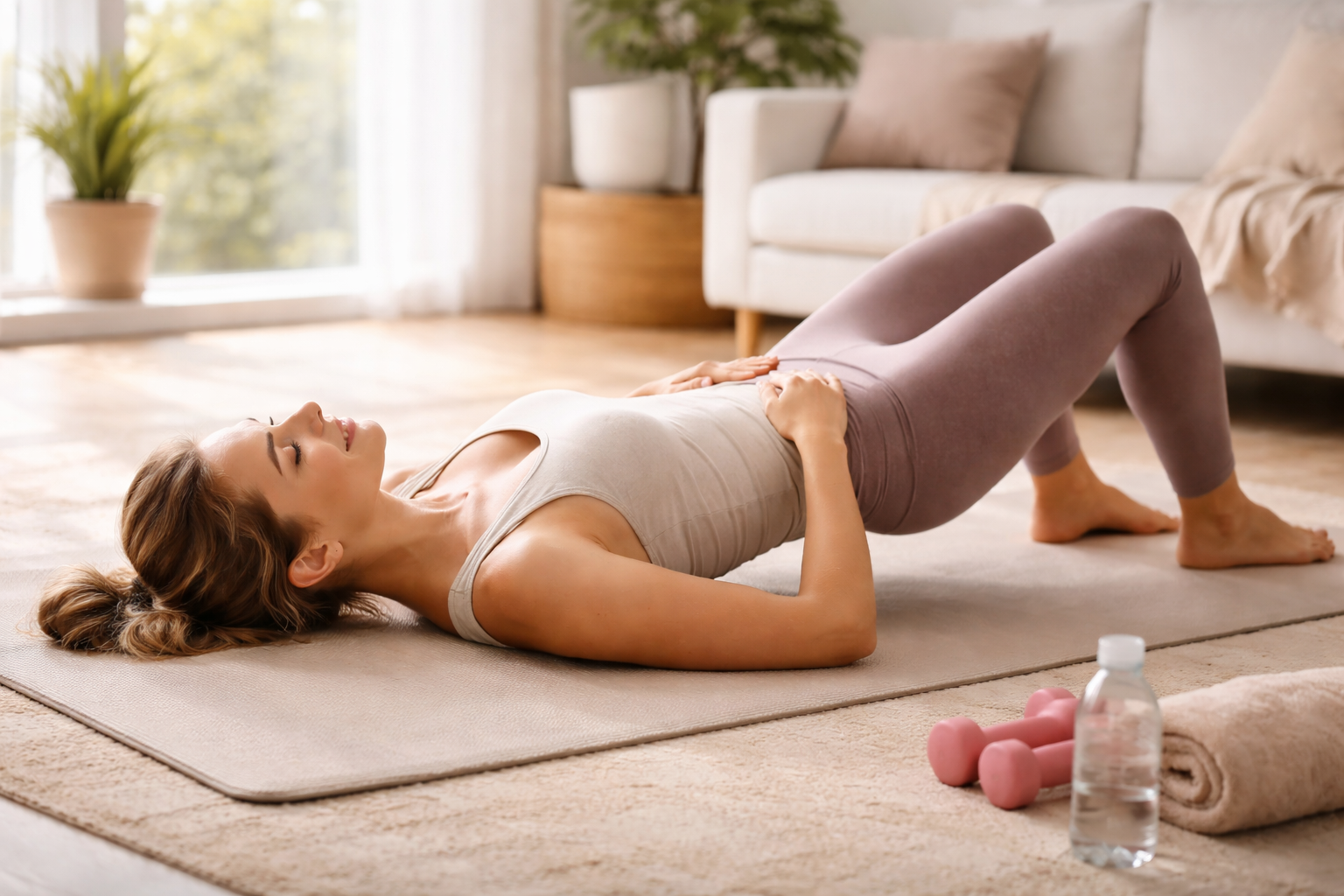
Pelvic floor health is an essential yet often overlooked aspect of women’s overall well-being. The pelvic floor is a group of muscles and connective tissues that support the bladder, uterus, and bowel, playing a crucial role in core stability, bladder and bowel control, posture, and sexual health. Because these muscles work quietly in the background, problems often go unnoticed until symptoms begin to interfere with daily life. Understanding how to care for the pelvic floor helps women maintain comfort, confidence, and long-term physical health.
The pelvic floor is designed to be both strong and flexible. It must contract to support organs and maintain continence, while also relaxing to allow urination, bowel movements, and childbirth. When this balance is disrupted, either through weakness, excessive tension, or poor coordination, a range of symptoms can appear. These may include urinary leakage, pelvic heaviness, lower back discomfort, pain during intimacy, or difficulty fully emptying the bladder or bowels. Such symptoms are common, but they are not something women must simply accept as normal.
Several factors influence pelvic floor health throughout life. Pregnancy and childbirth place significant strain on these muscles, particularly during vaginal delivery. Hormonal changes during menopause can reduce tissue elasticity and muscle tone. High-impact exercise, chronic coughing, constipation, poor posture, and prolonged sitting also contribute to pelvic floor dysfunction over time. Even stress can play a role, as constant tension in the body often extends to the pelvic muscles.
Targeted exercises are one of the most effective ways to support pelvic floor health. Pelvic floor muscle training focuses on controlled contractions and relaxations that improve strength, endurance, and coordination. Proper technique is essential. The muscles should lift upward and inward without engaging the abdomen, glutes, or thighs excessively. Breathing naturally during these exercises helps prevent unnecessary tension and supports correct muscle activation. Consistency matters more than intensity, as gradual improvement leads to better long-term results.
Equally important is learning how to relax the pelvic floor. Many women unknowingly hold tension in this area, especially during stress or pain. Gentle stretching, mindful breathing, and body awareness practices encourage healthy muscle release. A pelvic floor that cannot relax properly may cause discomfort, pain, or functional issues even if it is technically strong. Balance between contraction and relaxation is the true goal of pelvic floor care.
Prevention plays a key role in maintaining pelvic health. Supporting good posture reduces unnecessary pressure on the pelvic muscles. Avoiding chronic straining during bowel movements, managing body weight gently, and incorporating low-impact movement help protect this area. During exercise, proper technique and breath control prevent excessive downward pressure. Listening to the body and adjusting activity levels when discomfort appears can prevent minor issues from progressing.
Despite good self-care, some situations require professional support. Persistent symptoms such as urinary or bowel leakage, pelvic pain, a sensation of heaviness or bulging, pain during intercourse, or difficulty controlling pelvic muscles should prompt a consultation with a healthcare provider. A pelvic health physiotherapist or specialized medical professional can assess muscle function and identify specific patterns of dysfunction. Diagnostic approaches may include physical examination, movement analysis, or imaging when necessary.
Seeking help early often leads to faster and more effective recovery. Pelvic floor issues rarely resolve on their own and may worsen if ignored. Treatment plans are typically personalized and may include guided exercises, manual therapy, education, and lifestyle adjustments. In some cases, medical or surgical interventions are considered, but many women experience significant improvement through conservative care alone.
Pelvic floor health is not limited to a single life stage. It evolves with age, activity, and hormonal changes, requiring ongoing attention rather than a one-time solution. By understanding how the pelvic floor functions, practicing supportive habits, and recognizing when to seek professional guidance, women can protect this foundational muscle group. Prioritizing pelvic floor health is an investment in comfort, confidence, and quality of life that supports the body through every phase.