

Mushroom Nutrition Deep Dive — Lion’s Mane, Reishi & Everyday Culinary Varieties
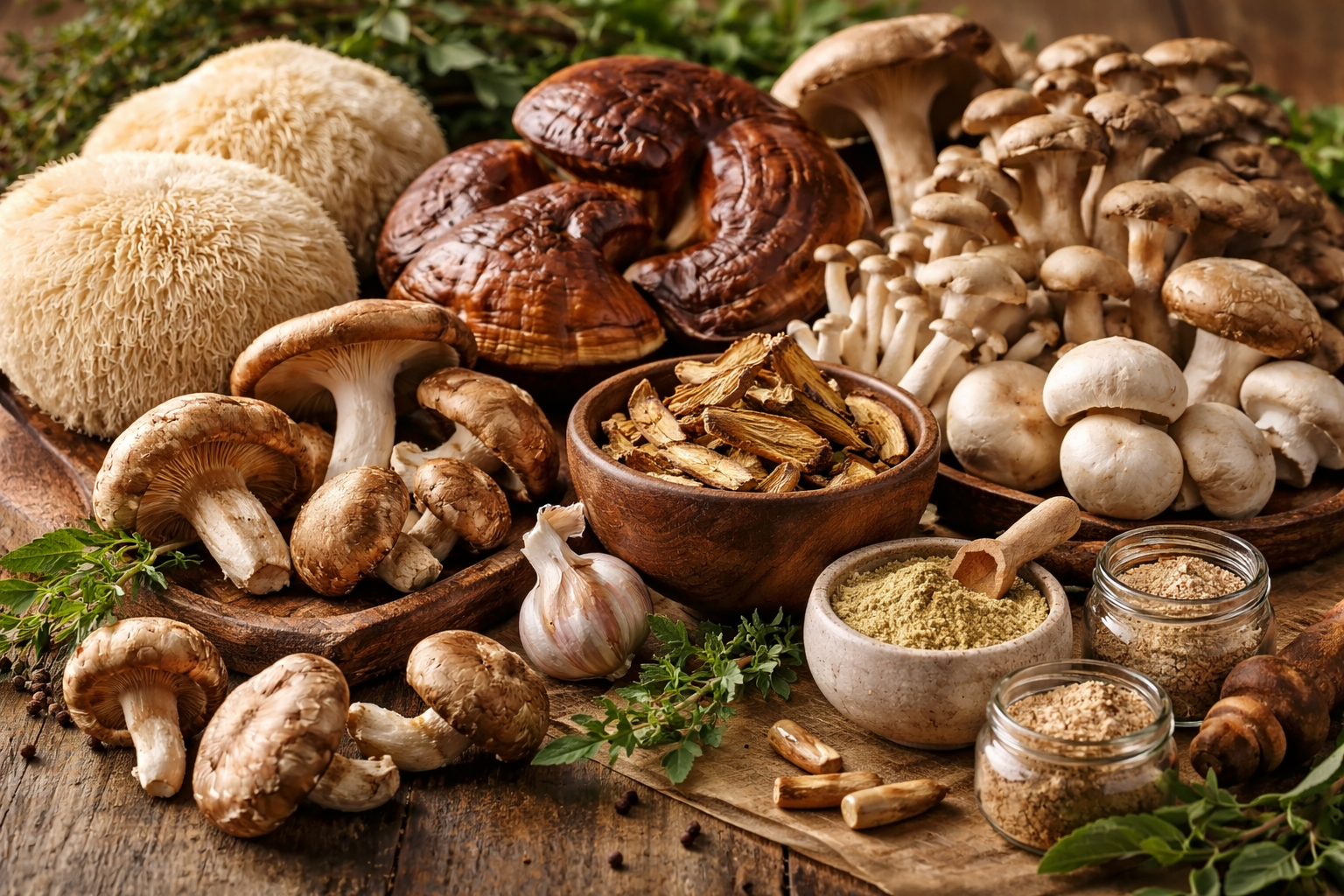
Mushrooms have moved far beyond their role as a simple pizza topping. In recent years, they have gained attention as functional foods, celebrated not only for their flavor but also for their potential impact on brain health, immunity, inflammation, and overall vitality. From gourmet culinary varieties to medicinal fungi used in traditional wellness systems, mushrooms offer a unique nutritional profile that sets them apart from both plants and animals.
Understanding what makes different mushrooms valuable — and how to use them effectively — can help transform everyday meals into powerful sources of nourishment.
The Unique Nutritional Profile of Mushrooms
Mushrooms are technically fungi, not vegetables, though they are often categorized as such in cooking. Nutritionally, they are low in calories and fat while providing important micronutrients and bioactive compounds.
Most edible mushrooms contain:
- B vitamins such as riboflavin, niacin, and pantothenic acid
- Minerals including selenium, copper, and potassium
- Dietary fiber, including beta-glucans
- Antioxidants such as ergothioneine
One of the most interesting aspects of mushrooms is their ability to produce vitamin D when exposed to sunlight or ultraviolet light. This makes them one of the few non-animal dietary sources of vitamin D.
Beyond basic nutrition, certain varieties are classified as functional mushrooms due to their traditional medicinal use and potential health-supporting compounds.
Lion’s Mane: The Brain-Supporting Mushroom
Lion’s Mane mushroom (Hericium erinaceus) stands out for its distinctive white, cascading appearance and its reputation for supporting cognitive function.
This mushroom contains compounds known as hericenones and erinacines, which have been studied for their potential role in stimulating nerve growth factor (NGF). NGF is essential for the growth, maintenance, and survival of neurons. Early research suggests Lion’s Mane may support memory, focus, and mental clarity.
Many people incorporate Lion’s Mane into their routine in powdered or extract form, often added to coffee, tea, or smoothies. It is also available fresh and can be sautéed; its texture is often compared to seafood, making it a versatile plant-based alternative in cooking.
While research is ongoing, Lion’s Mane is increasingly recognized as a promising addition to diets focused on brain health and long-term cognitive resilience.
Reishi: The Adaptogenic Classic
Reishi mushroom (Ganoderma lucidum) has a long history in traditional Asian medicine, where it has been used for centuries to support vitality and longevity. Unlike many culinary mushrooms, Reishi is tough and woody, making it unsuitable for typical cooking. It is most commonly consumed as a tea, tincture, or extract.
Reishi contains triterpenes and beta-glucans, compounds associated with immune modulation and stress support. It is often described as an adaptogen — a substance that may help the body respond more effectively to physical and emotional stress.
Many users report that Reishi supports relaxation and sleep quality, though effects vary from person to person. Because of its slightly bitter taste, it is often blended with other herbs or mushrooms in wellness beverages.
As with all functional supplements, consistency and appropriate dosing matter, and individuals with medical conditions should consult healthcare professionals before beginning regular use.
Culinary Mushrooms: Everyday Nutrition Powerhouses
Beyond functional varieties, common culinary mushrooms offer impressive nutritional benefits.
Button, Cremini, and Portobello
These mushrooms belong to the same species but are harvested at different stages of maturity. They are rich in antioxidants, particularly ergothioneine, which may help protect cells from oxidative stress. Their mild flavor makes them ideal for soups, stir-fries, and roasted dishes.
Shiitake
Shiitake mushrooms are known for their deep, savory flavor. They contain lentinan, a beta-glucan studied for immune-supporting properties. Shiitake also provide copper and selenium, both essential for enzyme function and immune health.
Oyster Mushrooms
Oyster mushrooms are delicate and slightly sweet. They contain beta-glucans and may support heart health by contributing to balanced cholesterol levels when included as part of a varied diet.
Fiber, Gut Health, and Beta-Glucans
One of the most important components of mushrooms is their fiber content, particularly beta-glucans. These soluble fibers act as prebiotics, feeding beneficial gut bacteria. A balanced gut microbiome plays a central role in immunity, digestion, and even mood regulation.
Regular inclusion of mushrooms in meals can contribute to improved digestive diversity and resilience. When combined with other fiber-rich foods such as vegetables, legumes, and whole grains, mushrooms help support a stable internal ecosystem.
Cooking Tips for Maximum Benefit
Mushrooms should be cooked thoroughly to enhance digestibility and flavor. Sautéing, roasting, or grilling helps release nutrients while reducing excess moisture.
To preserve bioactive compounds:
- Avoid overcooking at extremely high temperatures
- Use minimal added fats
- Pair mushrooms with vitamin C–rich vegetables to enhance antioxidant synergy
Dried mushrooms are also nutrient-dense and can be rehydrated for soups and sauces. The soaking liquid often contains valuable flavor compounds and can be used as a broth base.
Integrating Functional Mushrooms Safely
Functional mushrooms like Lion’s Mane and Reishi are often available in concentrated extracts. Quality matters. Products should be sourced from reputable suppliers that test for contaminants and standardize active compounds.
It is important to distinguish between whole mushroom powders and mycelium grown on grain. Whole fruiting body extracts generally contain higher concentrations of key compounds.
Pregnant individuals, people on immune-modulating medications, or those with chronic conditions should seek professional guidance before adding concentrated extracts.
A Balanced Perspective
Mushrooms are not miracle cures. They are nutrient-dense foods with promising properties that support overall health when integrated into a balanced diet. Their value lies in consistency rather than exaggeration.
Incorporating a variety of mushrooms — both culinary and functional — allows individuals to benefit from their diverse compounds. From brain-supporting Lion’s Mane to calming Reishi and everyday staples like shiitake and cremini, mushrooms offer a bridge between nourishment and wellness.
By understanding their unique nutritional profiles and preparing them thoughtfully, mushrooms can become a powerful, flavorful component of long-term health strategies.