

How to Talk to Kids About Climate Change Without Fear—and Inspire Them to Care Instead
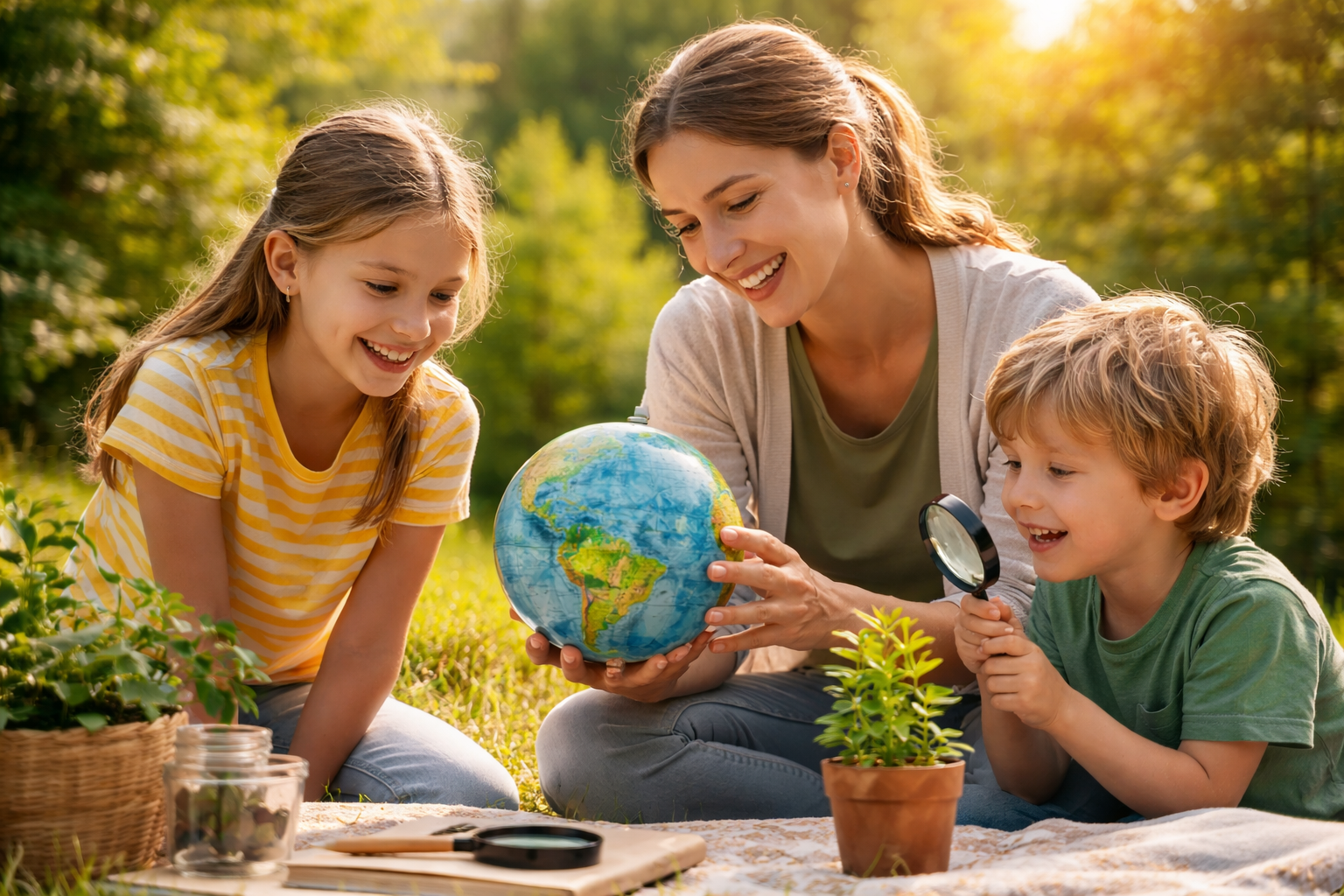
Talking to children about climate change and environmental issues can feel like walking a tightrope. On one side is the urgency of the problem, on the other is the risk of overwhelming young minds with fear, guilt, or helplessness. Yet how we introduce these topics matters deeply. When done thoughtfully, conversations about climate and ecology can empower children, build resilience, and inspire a lifelong sense of care for the planet rather than anxiety about its future.
Why the Tone Matters More Than the Facts
Children are naturally curious and emotionally receptive. They often sense adult worries even when those worries are unspoken. If climate discussions are framed only around disasters, extinction, and irreversible damage, children may internalize a sense of doom that they are not equipped to process. Research in child psychology shows that fear-based messaging can lead to avoidance, denial, or eco-anxiety, especially in younger children.
Motivating conversations begin with reassurance. Children need to hear that adults are working on solutions, that nature is resilient, and that small actions matter. Climate change should be presented not as an uncontrollable catastrophe, but as a challenge humanity is learning to face together.
Start With Nature, Not With Crisis
For many children, a love for the environment grows from direct experiences, not abstract concepts. Before talking about global warming or pollution, it is far more effective to help children build a positive emotional connection with nature. Walks in parks, observing insects, gardening, or simply watching clouds and seasons change create a foundation of appreciation.
When children value nature, they are more receptive to learning why it needs care. Conversations then evolve naturally from “Isn’t this forest beautiful?” to “What helps forests stay healthy?” rather than starting with frightening scenarios.
Use Age-Appropriate Language and Examples
Children interpret information literally, so it is important to adjust explanations to their developmental stage. Younger children benefit from concrete, everyday examples. Talking about saving energy by turning off lights or helping animals by reducing waste makes the topic relatable. Abstract statistics or global projections are unnecessary and often confusing.
For older children, especially those exposed to news or school discussions, it is helpful to clarify what they hear. Invite questions and correct misunderstandings gently. Emphasize cause and effect in simple terms, focusing on solutions rather than blame.
Replace Fear With a Sense of Agency
One of the most powerful tools in climate conversations with children is agency—the feeling that their actions have meaning. Children who feel powerless are more likely to disengage. Those who feel capable become curious and proactive.
Highlight actions children can take as part of daily life. Recycling, saving water, caring for plants, choosing reusable items, or helping adults make eco-friendly choices all reinforce the idea that positive change is possible. These actions should never feel like a burden or punishment, but as contributions to something larger.
Focus on Helpers and Innovations
Children are inspired by stories of helpers. When discussing environmental challenges, balance the narrative by sharing stories of scientists, communities, and young people who are creating solutions. Talk about renewable energy, wildlife restoration, cleaner cities, and new technologies that reduce pollution.
This approach shifts the focus from loss to progress. It teaches children that problems exist, but so do creativity and cooperation. Hope becomes a realistic emotion grounded in action, not denial.
Create Space for Emotions Without Amplifying Anxiety
Some children may still feel worried or sad when learning about environmental issues. These feelings should not be dismissed, but they also should not be amplified. Acknowledge emotions calmly and reassure children that it is okay to care deeply.
Let them know that adults are responsible for making big decisions and that children are not expected to solve everything. Emotional safety comes from understanding roles and limits. Children can help, but they are not responsible for fixing the world alone.
Model the Values You Want to Teach
Children learn as much from observation as from conversation. When adults show care for nature through everyday habits, children absorb those values naturally. Talking about climate while ignoring waste, overconsumption, or respect for the environment sends mixed messages.
Consistency between words and actions builds trust. When children see that caring for the planet is a normal part of life, not a reaction to fear, sustainability becomes part of their identity.
Turning Climate Awareness Into Long-Term Motivation
The goal of talking to children about climate and ecology is not to raise alarmed children, but informed and motivated ones. When conversations are grounded in curiosity, compassion, and hope, children grow up seeing environmental care as an opportunity to contribute, not a reason to despair.
By focusing on connection rather than catastrophe, action rather than fear, and empowerment rather than guilt, we give children something far more valuable than information. We give them confidence that they belong to a world worth protecting—and that they have a place in shaping its future.