

Fitness With Little Kids: How to Turn Everyday Play Into Active Workouts You’ll Both Love
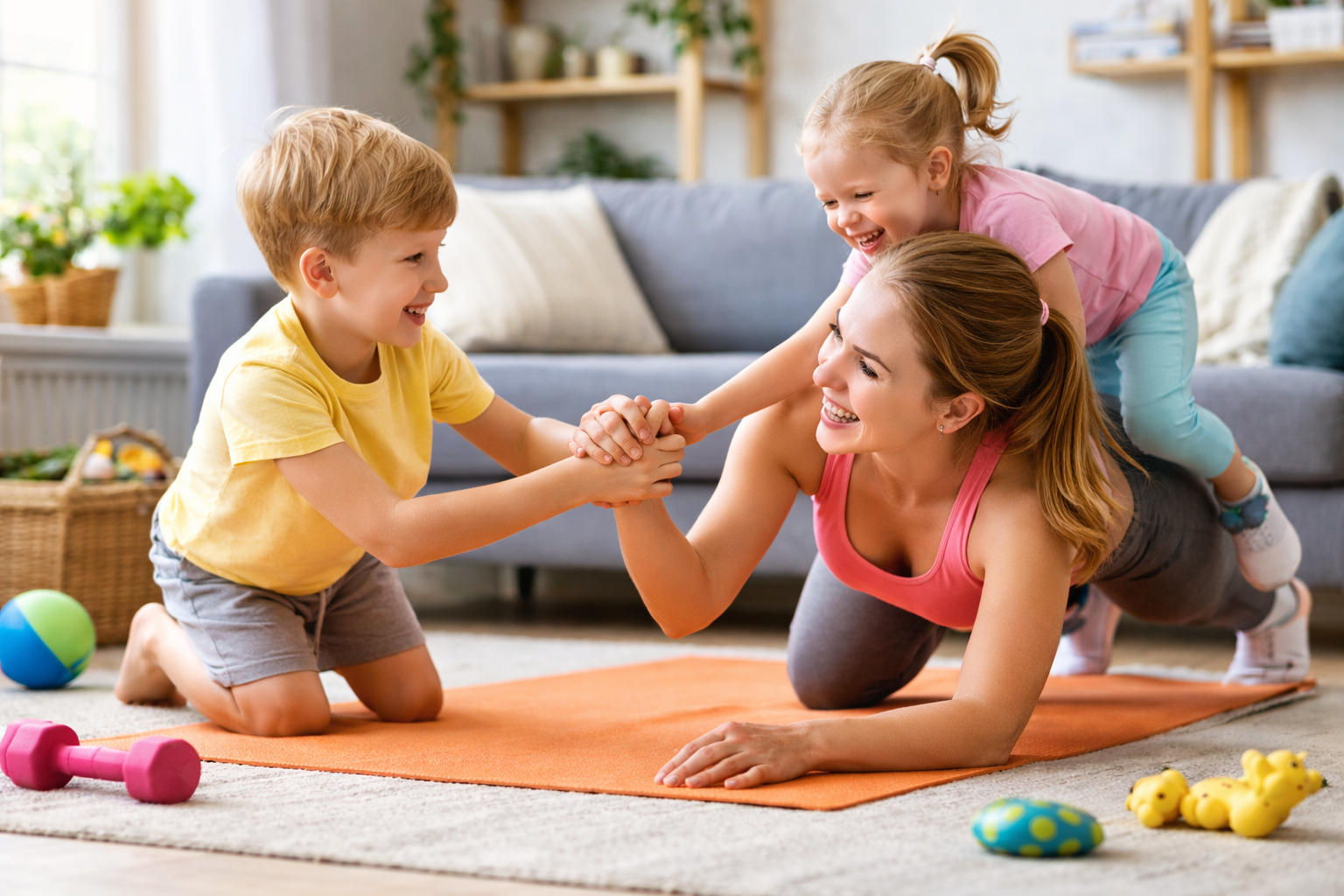
Staying physically active after becoming a parent is often more challenging than expected, especially when young children require constant attention. Traditional workouts can feel unrealistic when schedules revolve around naps, meals, and unpredictable moods. Fitness with little kids offers a practical and joyful alternative, allowing parents to stay active while strengthening the emotional bond with their child. When movement becomes play, exercise stops feeling like another obligation and starts fitting naturally into daily life.
Training together with a small child is not about intensity or perfect form. It is about consistency, creativity, and shared enjoyment. Children are naturally curious and energetic, which makes them ideal partners for movement-based activities. Simple actions such as crawling, jumping, lifting, and balancing mirror many foundational fitness exercises. By reframing workouts as games, parents can engage major muscle groups while children feel included rather than sidelined.
One of the biggest advantages of parent-child fitness is adaptability. Exercises can be adjusted to match a child’s age, size, and mood. Toddlers love repetition and imitation, which makes them eager to copy movements. Squats become “up and down” games, lunges turn into long steps across the room, and planks transform into tunnels for toy cars. Holding a child during gentle strength movements adds natural resistance while making the child feel secure and involved.
Movement-based play also supports a child’s physical development. Activities that include rolling, stretching, reaching, and balancing help improve coordination and body awareness. When parents model active behavior, children begin to associate movement with pleasure rather than effort. This positive connection can shape healthy habits that last well beyond early childhood.
Outdoor activities provide even more opportunities for shared fitness. Walking with a stroller, playing chase, climbing playground structures, or dancing in open spaces keeps both parent and child engaged. Fresh air and changing scenery reduce stress and make movement feel less repetitive. Even short sessions can be effective when done regularly, proving that consistency matters more than duration.
At home, everyday routines can easily incorporate movement. Cleaning becomes a chance to squat, reach, and twist. Music encourages spontaneous dancing, which improves cardiovascular endurance while boosting mood. Simple obstacle courses made from pillows, chairs, or soft toys stimulate imagination while challenging balance and agility. These moments may seem small, but together they contribute to meaningful physical activity throughout the day.
Fitness with children also supports mental well-being. Parents often experience guilt when taking time away for personal needs, including exercise. Training together removes that conflict by meeting multiple needs at once. Shared movement strengthens emotional connection, reduces stress, and creates positive shared memories. Laughter and play release tension, making workouts feel refreshing rather than draining.
Importantly, this approach encourages flexibility rather than perfection. Some days will be energetic and active, while others may be slower and quieter. Both are valuable. Listening to the child’s signals and respecting personal limits keeps the experience safe and enjoyable. The goal is not performance but presence.
Fitness with little kids is less about structured routines and more about embracing movement as part of everyday life. By turning play into activity, parents can maintain strength, mobility, and energy without sacrificing time together. In doing so, they create an environment where health, joy, and connection grow side by side, proving that staying active as a parent does not require separation, only imagination.