

Hidden Nutrition in Common Spices: Cooking with Cumin, Turmeric & Fenugreek
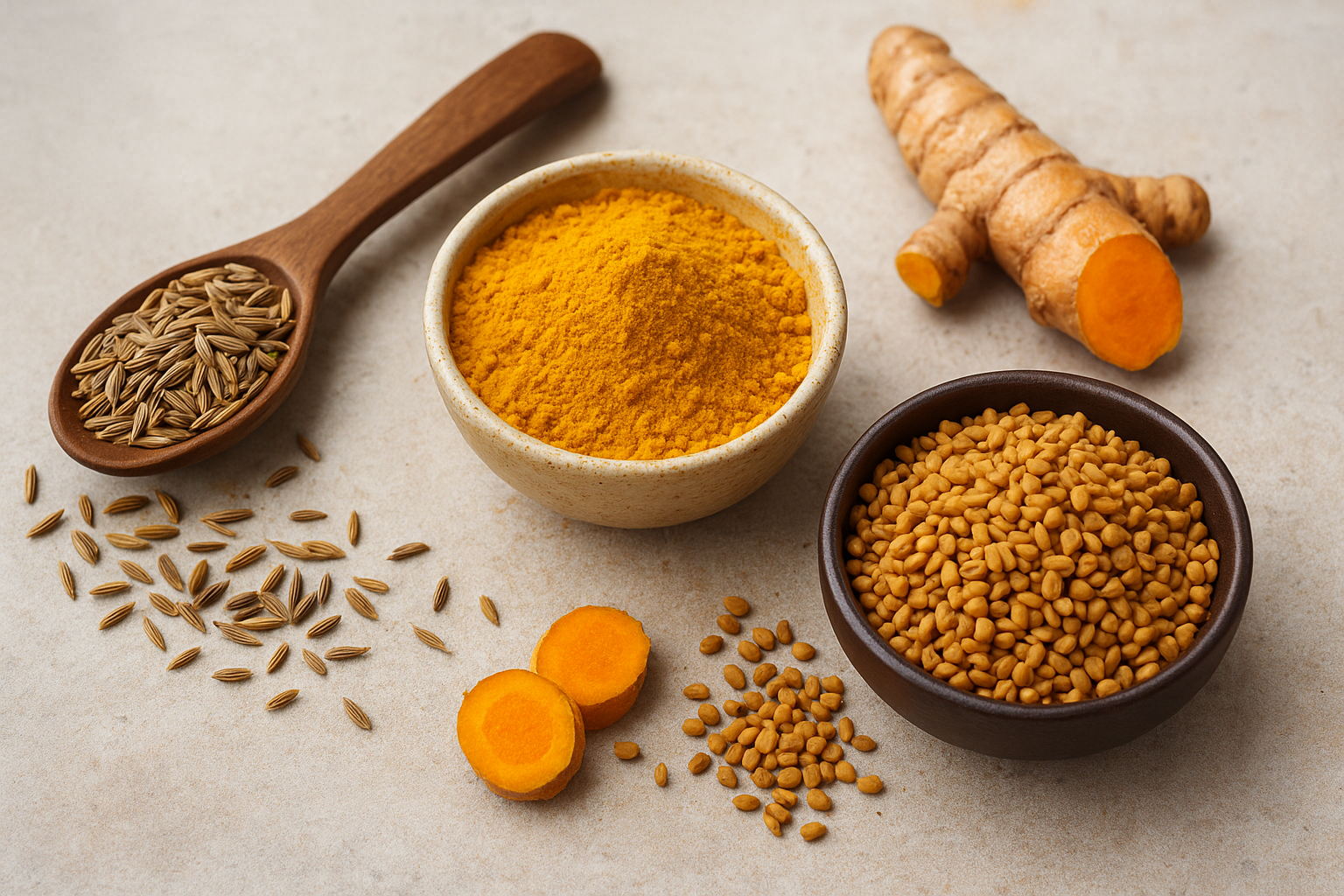
For centuries, spices have shaped the culinary identities of cultures across the world. Yet beyond their ability to elevate flavors and add depth to dishes, many everyday spices hold remarkable nutritional and therapeutic value. Among the most powerful are cumin, turmeric, and fenugreek — three staples of traditional cooking that offer far more than aroma and color. These spices have been used in Ayurveda, Middle Eastern medicine, and various ancient healing systems not only to enhance the taste of food but also to support digestion, boost immunity, and balance metabolic functions. Today, modern research continues to validate what earlier civilizations instinctively knew: these spices are small but mighty nutritional powerhouses.
Cumin, known for its earthy warmth, is one of the world’s oldest seasonings. Its seeds contain high levels of antioxidants, essential oils, minerals, and digestive compounds that support gut health. Turmeric, recognizable by its bright golden hue, contains curcumin — a potent anti-inflammatory compound that has become one of the most studied natural ingredients for its impact on cellular health. Fenugreek, with its slightly sweet and nutty aroma, is rich in fiber, vitamins, and plant compounds that support metabolism and hormonal balance. Together, these spices show how everyday pantry ingredients can profoundly influence overall well-being when integrated mindfully into daily meals.
The Hidden Power of Cumin
Cumin seeds may be small, but they are packed with nutrients. They contain iron, magnesium, and a variety of phytochemicals that support enzymatic processes throughout the body. One of cumin’s greatest strengths is its ability to enhance digestion. The natural oils in cumin stimulate the secretion of digestive enzymes, helping the body break down proteins, fats, and carbohydrates more efficiently. This is why cumin is used heavily in cuisines that include legumes or heavy dishes, as it reduces bloating and improves nutrient absorption.
Another overlooked benefit of cumin is its antioxidant capacity. These antioxidants help neutralize free radicals, supporting liver function and reducing oxidative stress. Cumin also contains compounds that help regulate blood sugar levels by improving insulin sensitivity. Adding cumin to soups, roasted vegetables, or rice dishes not only enhances flavor but also contributes to daily micronutrient intake and digestive comfort.
The Golden Benefits of Turmeric
Turmeric has earned global recognition as a “superfood,” but its nutritional value goes far beyond health trends. Its star compound, curcumin, is responsible for many of its anti-inflammatory and antioxidant benefits. Chronic inflammation is linked to a wide range of conditions, from joint stiffness to cardiovascular problems, and curcumin helps reduce inflammatory markers in the body. This makes turmeric useful not only for cooking but also for supporting overall vitality.
Turmeric also plays a role in supporting brain health. Studies suggest curcumin may help stimulate proteins responsible for neuron growth, potentially supporting cognitive function as we age. While turmeric alone has limited absorption, combining it with black pepper enhances its bioavailability significantly. Traditional dishes like curries naturally include both, demonstrating the wisdom embedded in ancestral cooking methods.
Culinarily, turmeric is incredibly versatile. It can be added to stews, rice, marinades, vegetable sautés, or even blended into warm beverages like golden milk. Its gentle bitterness and earthy scent enhance both savory and sweet recipes while infusing them with valuable nutrients.
Fenugreek: The Underrated Metabolic Herb
Fenugreek seeds have a distinct flavor that balances sweetness with depth, often used in Indian, North African, and Mediterranean cooking. Nutritionally, they are rich in soluble fiber, which helps regulate digestion, stabilize blood sugar levels, and support cholesterol health. The fiber content in fenugreek slows carbohydrate absorption, making meals more filling and providing longer-lasting energy.
Another fascinating benefit of fenugreek is its impact on hormonal balance, particularly in women. Compounds in fenugreek seeds support lactation, regulate menstrual discomfort, and may even benefit metabolic conditions related to hormonal fluctuations. These seeds also contain protein, B vitamins, and anti-inflammatory compounds, making them valuable additions to daily meals.
Fenugreek can be cooked whole, ground into spice blends, or soaked to soften its flavor. Sprouted fenugreek seeds bring a fresh, slightly bitter taste to salads, while ground fenugreek elevates curries, sauces, and roasted vegetables. Even a small amount can infuse dishes with depth and provide meaningful nutritional value.
How to Cook with These Powerful Spices
Integrating cumin, turmeric, and fenugreek into everyday dishes is easier than many people think. When using them in cooking, heat plays a crucial role in unlocking their aromas and health benefits. Toasting cumin seeds lightly in oil releases their essential oils and enhances flavor. Turmeric blends beautifully into warm liquids or sautéed ingredients, giving dishes color and subtle spice. Fenugreek seeds benefit from slow cooking or soaking, which reduces bitterness and brings forward complex flavor notes.
These spices can work together harmoniously. A vegetable stew infused with cumin and turmeric gains warmth and powerful antioxidant benefits. Lentils or chickpeas cooked with fenugreek develop richness while remaining digestible and nourishing. Even simple dishes — such as roasted potatoes, scrambled eggs, or soups — can be elevated with a pinch of these ingredients.
Final Thoughts
Cumin, turmeric, and fenugreek are far more than simple flavor enhancers. They are deeply nutritious spices that support digestion, reduce inflammation, balance metabolism, and contribute to long-term vitality. Incorporating them into daily meals brings an opportunity not only to improve flavor but also to nourish the body in meaningful ways. Their versatility and accessibility make them valuable ingredients for anyone seeking to elevate their cooking and enhance their well-being through natural, ancient, and wholesome culinary traditions.